Anúncios
Practical tips to help you succeed in job interviews

Landing your next great job often means excelling in a pivotal job interview. Preparation increases your odds, but so does understanding every step involved in the process.
Every interaction, from your first email to your final handshake, leaves an impression that can tip the outcome in your favor.
If you’re committed to opening new professional doors, smart planning is your best strategy. Confidence comes from the groundwork you put in ahead of time, practical rehearsal, and learning ways to communicate your skills with ease.
Platform with open roles

Indeed Worldwide
Each moment before, during, and after the meeting brings a fresh opportunity to stand out for the right reasons.
Gupy’s approach involves a three-stage method: effective groundwork before the interview, impactful performance during, and thoughtful action after.
By weaving all three stages together, you set yourself apart from the competition and maximise your potential for hiring success.
Build Strong Foundations Before Your Interview
Early preparation for interviews is crucial for making a memorable impression. Begin by thoroughly researching the company, understanding not only their primary services but also their culture.
Explore their website and social channels. Find recent news about major company projects or milestones. Use platforms like Glassdoor or LinkedIn to gain an insider’s perspective.
Study the job description in detail, noting required skills and experience. Have clear examples ready to demonstrate how your past work aligns with these responsibilities.
Keep your resume and any digital portfolio up to date. Get familiar with every element so you can confidently reference accomplishments without searching or hesitating.
Prepare key questions for your interviewer that show genuine interest in the team, expectations for the role, and the company’s future direction. Thoughtful questions can truly set you apart.
Master Your Resume and Portfolio Presentation
Your resume provides a roadmap for the conversation, so be ready to expand on each major point. Practice discussing every item listed with confidence and clarity.
If you have a portfolio, organise relevant work to present quickly when asked. Highlight projects most related to the role to demonstrate your immediate value.
Discuss results, not just duties. Whenever possible, share measurable outcomes. Quantify your achievements to show impact rather than simply listing responsibilities or tasks.
Reflect on your personal growth in prior positions. Show how past challenges led to professional development and skills that benefit your prospective employer.
Maintain consistency between your CV and your spoken responses. This develops trust and presents a grounded, reliable professional profile to interviewers.
Formulate Answers and Rehearse Delivery
Anticipate interview questions and rehearse answers aloud. This will help clarify your thoughts and ensure each response fits smoothly into the conversation.
Use the STAR method—Situation, Task, Action, Result—when telling stories, especially for problem-solving, leadership or learning experiences. This keeps your answers concise and structured.
Rather than memorising answers, focus on flexible talking points. Being prepared allows you to adapt naturally to the flow of the conversation without losing your message.
Practise interviews with friends or mentors to gain feedback and reduce anxiety. Each rehearsal session strengthens your poise under pressure and builds invaluable self-assurance.
Managing nerves is key. Use mindful breathing techniques, envision a positive outcome, and remind yourself that interviews are a two-way exchange—not a one-sided assessment.
Finalise Logistical Details and Your Appearance
Practical arrangements should never be left for the last minute. Map your travel route for in-person interviews and allow extra time for possible delays.
For remote interviews, test your technology ahead of time. Check your internet connection, camera, microphone, and lighting. Set up in a distraction-free environment, with a simple background.
Dress appropriately for the company’s culture, erring on the side of professionalism. For more traditional industries, choose business attire; in creative environments, neat and smart-casual works best.
Turn off notifications and silence your phone before the meeting begins. Being fully present shows respect for the interviewer’s time and highlights your professionalism.
Physical preparation helps you project confidence. Sit upright, make eye contact, and keep a friendly, open attitude both online and in person.
Navigate the Interview Conversation With Confidence
The interview itself is your chance to shine. Respond genuinely, bringing enthusiasm to your answers while connecting your background to the company’s current needs.
Start the conversation by introducing your professional background, then link your key career experiences to the role’s requirements. Keep answers direct, but always positive and forward-looking.
When asked about shortcomings or failures, be honest but constructive. Share what you learned, and how it improved your approach, illustrating maturity and adaptability.
Express ambition regarding your future career, but keep your goals connected with the company’s structure. Show willingness to grow alongside their team rather than using the company as a stepping-stone.
Non-verbal signals matter. Smile when appropriate, use open gestures, and listen carefully to each question posed. These subtleties reinforce your personal brand and create a welcoming atmosphere.
How to Professionally Follow Up After Interviews
The interview isn’t over when you walk out or log off. Sending a courteous thank-you email within 24 hours is recommended. Reference a topic discussed to personalise your note.
If you haven’t heard back by the agreed date—or within a week—follow up politely. Express continued interest and ask about the timeline for a decision.
Should you receive a job offer, weigh the entire package—not only the salary but also benefits, role fit, and company culture. Don’t be afraid to skillfully negotiate if appropriate.
In the event of rejection, reply graciously. Thank the team for their time and ask for feedback if it is available. This gesture may open doors in the future.
Professional, polite follow-up maintains your reputation and keeps you in consideration for other roles at the organisation or with related contacts.
Essential Job Interview Preparation Steps
| Step | Description | Outcome |
|---|---|---|
| Research | Explore company culture, values, and recent news | Thorough knowledge |
| Update CV | Revise and review accomplishments carefully | Readiness for questions |
| Prepare Questions | Develop insightful queries about team lines | Impression of keen interest |
| Logistics | Finalise travel and appearance details | Punctual, professional arrival |
Checklist: Interview Success Best Practices
- Practice common interview questions with the STAR technique
- Arrive with printed and digital copies of your CV and portfolio
- Bring thoughtful questions for the employer
- Dress in alignment with company culture and norms
- Follow up within a week if no reply, maintaining professionalism
Turning Interviews Into Career Opportunities
Your interview does not define your career but offers a chance to display your best qualities and values. Preparation, professionalism, and a genuine approach distinguish top candidates.
By being proactive at every step, from early research to final follow-ups, you lay a solid foundation for success. Each experience, even those ending without an offer, sharpens your abilities.
Remember that growth follows every attempt. Treat each conversation as a step toward your ideal role, maintaining both optimism and clear purpose throughout the process.
Gupy offers resources to help candidates master each stage of their interview journey. Their tools and guides support you through preparation and follow-up, making every chance count.
Harness these practical strategies, trust your preparation, and approach each opportunity with focus and confidence. The right role is within reach when you combine know-how with persistence.
Platform with open roles
Indeed Worldwide
No matter your career stage, being prepared for new opportunities makes a difference. Small improvements in the way you present your experience can have a strong impact on your professional journey.
Applying practical strategies, staying organized, and refining your communication skills are important steps when searching for a new role. A well-structured CV is often the first thing recruiters notice during the hiring process.
To help you improve your applications, we’ve gathered useful tips on how to create a clearer, more professional resume that highlights your strengths and increases your chances of standing out.
Recommended Content
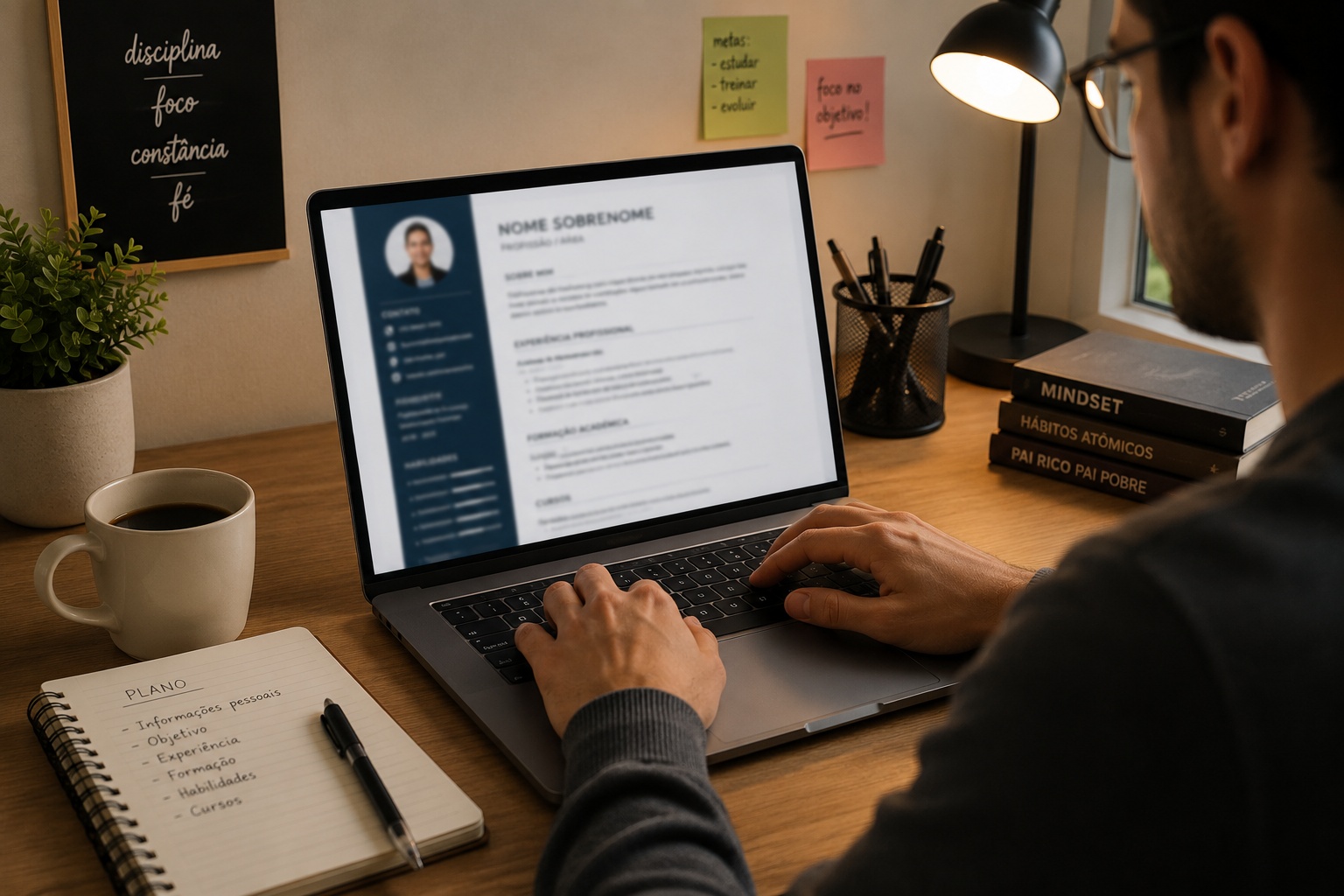
How to Build a Standout CV and Boost Your Job Prospects with Sólides
Disclaimer
This website is not affiliated with any platform or employer. Review the official job descriptions, pay, requirements, and hiring terms before applying. No outcomes or hiring are guaranteed.

